Mineral collecting in South Africa – A perspective
Having recently had part of my personal collection shipped up to Johannesburg — minerals that have been sitting in boxes for years, along with a stack of old Lapidary Magazines — one article really stood out. It covered the 1969 Gemboree, held over Easter weekend in Springbok, and organized by the then-called Cape Town Society (Now “Cape Town Gem and Mineral Club”
Reading it, I was struck by how large and lively the hobby in South Africa was back then. Perhaps people had more time in the pre-internet era, and life was a little cheaper. Minerals were certainly more abundant, and mine access was much easier than it is today.
The Golden Days: Gemboree 1969
The Pretoria and Johannesburg clubs (likely what became the Wits Club) hired a bus for the trip, while others likely drove up on their own. Around 200 people attended — a staggering number by today’s standards — and they were officially welcomed by Springbok’s mayor, Mr. S. Jowel.
The journey itself took 26 hours, a reminder of just how much slower travel was in those days.
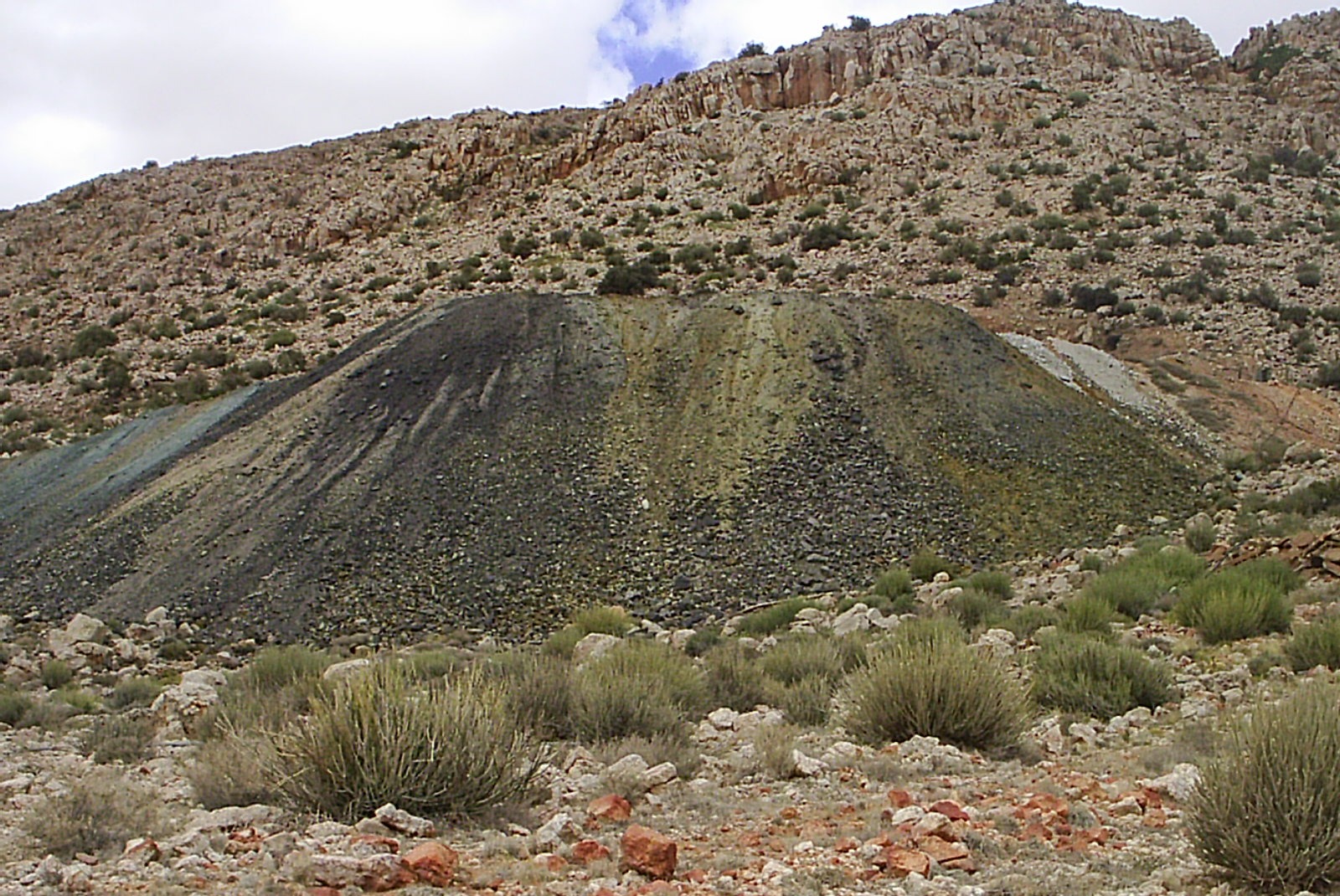
First on the agenda was the Karolusberg mine (now Carolusberg), developed in the 1950s to a depth of ~2 km and producing about 411,000 tonnes of copper (concentrate I assume) at the time. The group toured the underground workings, followed by the smelter at Nababeep, and finished with tea at the Nababeep recreation club — with the mayor still in tow.
This was also during the heyday of George Swanson, the legendary owner of the Blue Lace Agate mine in Namibia. He organized several outings into pegmatites around Steinkopf and Norabees, as well as to the (now defunct) “Durabees” lithium mine. Collectors came away with lepidolite, spodumene, and even tourmaline.

Namaqualand in the 1960s and ’70s was booming with copper mining, and mine access was straightforward, with far fewer regulations than today.
Some Personal Memories
Reading about the past inevitably makes me think about my own gemboree memories, thanks entirely to my father — the one responsible for our family’s rock-collecting obsession (and for many crates of agates still stacked at home).
I have a vague memory of our first trip to Kuruman: pitching a brand-new tent in the rain, in the wrong place — right on the dirt road, late at night, as well as collecting a quartz cluster from under a beehive (I don’t think mom was impressed much!). I still have that rock! When I eventually get around to cabinets, it’ll get pride of place, in front of the Tsumeb and Kalahari stuff.
Other highlights include trips with the Grandi’s, the Jacksons, and John — who once parked his car on a rock after finding the “klippies.” The last gemboree I attended was at Aggeneys (Klein Pella), where our family proudly won the award for biggest hole dug (which still hangs in dad’s braai room).
There were countless trips to Vredendal for unusual quartz, field trips into Namaqualand for “Orange River Quartz,” and forays into pegmatites scattered in between. Somehow, I’ve never attended a gemboree to Jozini — but the Cavendish shows come to mind, organized in large part through the efforts of Rob Smith, and the Cape Town club. If I recall right, dad’s stand was right under the escalators, and sort of a prime spot thanks to the good lighting!
The Hobby Today
The idea of a gemboree drawing over 200 people feels almost unimaginable now. In fact, I don’t think there’s been a mineral show at a shopping center for nearly a decade.
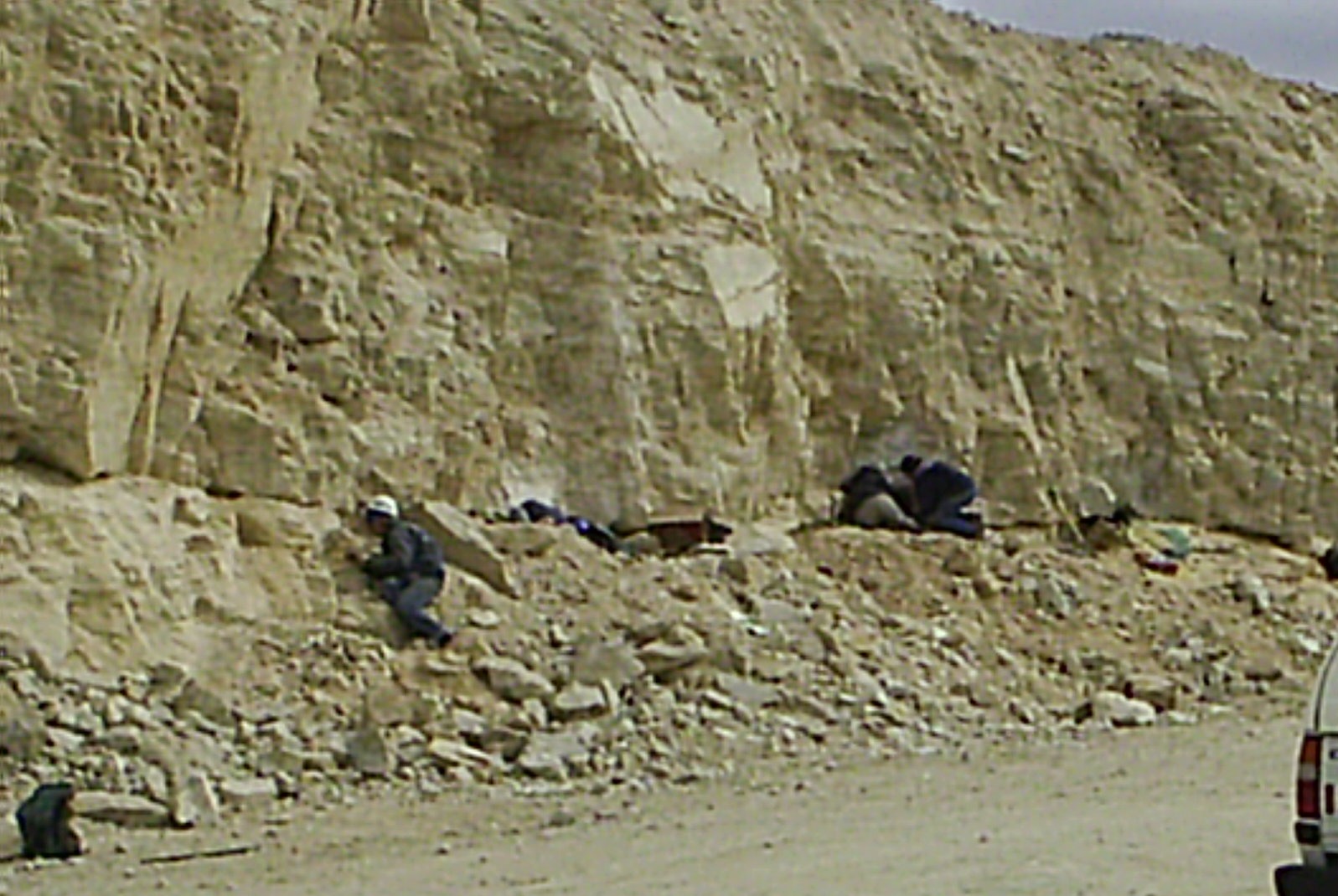
Some clubs, however, remain strong — Cape Town and Pretoria among them — and the Wits Club seems to be finding new life. I recently joined an outing to the Mamelodi quarry, organized by the SA Micromounters and PGMC (Pretoria Gem and Mineral Club). While most people were after fluorite, the syenites grabbed my fancy, as well as the stunning dolerite dikes. Good specimens were found by nearly everyone, I think.
Kids, of course, are still naturally drawn to rocks. Every club open day sees children dragging their parents along — and hopefully, they leave with a few specimens of their own. Mineral clubs are doing a lot of outreach, though geology itself isn’t particularly popular in schools anymore.
According to the FOSAGAMS site, the 54th Gemboree in 2024 drew around 64 attendees, who visited Diggers Retreat near Barberton. That outing included parts of the famous GeoTrail, which showcases some of the oldest rocks on Earth. The Sheba gold mine — one of the world’s oldest working gold mines, dating back to 1885, is in the area, and I hope they at least got to drive past it!
Looking Ahead
So where does the hobby go from here? Will we ever see those big numbers again? Is the decline due to limited free time, stricter mine access, the depletion of easy finds — or simply changing interests? Likely it’s a mix of all these factors.
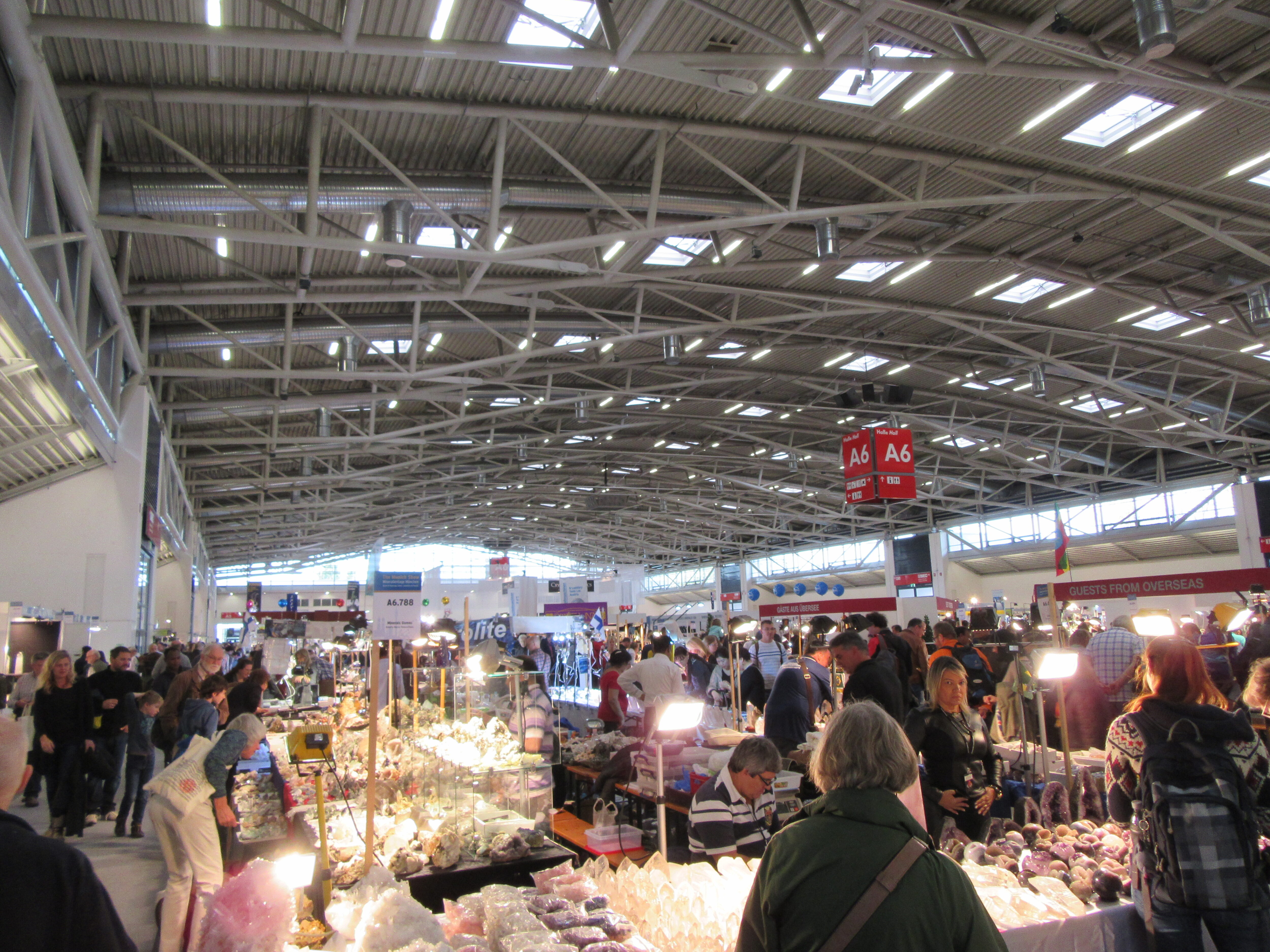
International shows like Tucson and Munich are on an entirely different scale, drawing tens of thousands of visitors and hundreds of dealers from around the world. South Africa isn’t there yet, but perhaps one day a large show could happen — though it would probably need to be tied to a mining expo for the exposure and support it requires.
For now, it’s enough to be grateful for what we have: a dedicated community, extraordinary geology, and a younger generation that still gets wide-eyed at shiny rocks.
A Personal Thanks
At the end of the day, I can only say thank you to my dad for introducing me to this hobby — for taking me on so many trips across the country when minerals were easier to come by, and for helping turn a childhood fascination into both a passion and a career.
Here’s to the hope that we still have one more trip to Blesberg ahead of us!